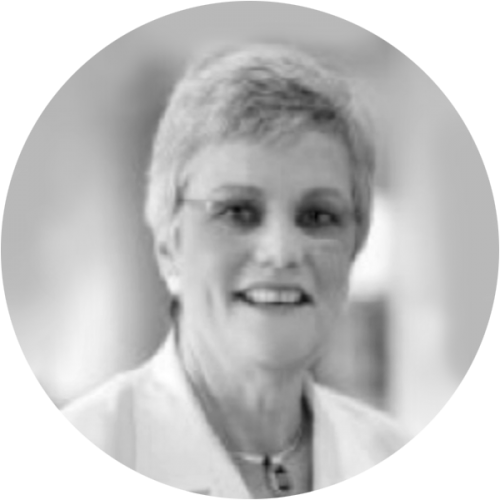
Dr. Eileen D. Brewer
M.D., Pediatric NephrologyDr. Brewer is Professor of Pediatrics at Baylor College of Medicine and former Head of the Pediatric Renal Section. She is also Medical Director of Kidney Transplantation at Texas Children’s Hospital in Houston. She is an internationally known expert in pediatric renal diseases, dialysis, transplantation and hypertension.
She is past president of the American Society of Pediatric Nephrology, past Council Member of the International Pediatric Nephrology Association, organizer of two International Workshops in 2004 and 2007 on Pediatric Hypertension, & Chair/member of several national pediatric committees, including Chair of the United Network of Organ Sharing Pediatric Transplant Committee. She is an author of over 100 peer-reviewed and invited articles in medical journals and over 30 book chapters. She has been involved in clinical research of children with renal disease during her entire career, including a number of studies sponsored by the NIH. Dr. Brewer was the 2010 recipient of the Founders Award of the American Society of Pediatric Nephrology for unique and lasting contributions to the field of Pediatric Nephrology. Dr. Brewer has been a member of the LSA Medical & Scientific Advisory board since 1999.

Dr. Celanie Christensen
M.D., M.S., Pediatric NeurologyDr. Christensen is an Assistant Professor of Clinical Pediatrics and Neurology. Born and raised in northeast Iowa, she completed her undergraduate training at The University of Iowa. She moved to Indianapolis for graduate training and obtained a MS in Medical and Molecular Genetics at Indiana University. Prior to starting medical school, she practiced as a genetic counselor in adult and child neurology, biochemical genetics, and medical genetics. She returned to medical training at Indiana University in 2007. She completed her Neurodevelopmental Disabilities residency at Indiana University School of Medicine.
She is the Co-Division Chief of Developmental Medicine and Neurodevelopmental Disabilities Residency Program Director. Current clinical activities include neurodevelopmental pediatrics, Down syndrome, and neurogenetics. Primary interests are the diagnosis and management of genetic neurodevelopmental disorders and feeding.

Dr. Jenny Gallop
PhD, Molecular BiologyJenny Gallop was born in Reading, UK in 1979 and studied Biochemistry at the University of Oxford, completing her PhD in Cell Biology at the MRC Laboratory of Molecular Biology in Cambridge, UK in 2005, the same year she married her husband Matt. They moved to Brookline, Massachusetts, USA for five and half years during her postdoctoral training at Harvard Medical School. Jenny’s annual holiday baking tradition of orange and cranberry muffins using her favorite American muffin tins comes from this time in their lives, and she still hankers after pumpkin pie!
Since returning to the UK to run her own lab at the University of Cambridge, Jenny became a mother of 2. Her experience of several years of orthoptic appointments with her son and week of neonatal intensive care with her daughter are what has driven her to help parents and children affected by Lowe syndrome. If she can use her biological expertise to increase quality of life, shed light on questions with as yet unknown answers, or provide hope in dark and difficult times, she will be happy her career has been worthwhile.

Dr. Daniel McKenney
MD, Pediatric NephrologyDaniel W. McKenney, MD, is a pediatric nephrologist at Peyton Manning Children’s Hospital in Indianapolis, IN. He has a special interest in treating children of all ages with electrolyte disorders, metabolic kidney diseases, hypertension and glomerulonephritis. Dr. McKenney also oversees the medical care of all pediatric kidney transplant patients.
He is a member of many pediatric nephrology societies including American Society of Pediatric Nephrology, American Society of Transplantation and the International Pediatric Nephrology Association. Dr. McKenney received his medical degree from Medical College of Georgia, completed a pediatric residency at Indiana University School of Medicine and a pediatric nephrology fellowship from Yale University.

Dr. Robert L. Nussbaum
M.D., Medical GeneticsDr. Robert L. Nussbaum, recently retired as the Chief Medical Officer of Invitae, a genetic information and diagnostic company. He is board certified in internal medicine, clinical genetics and clinical molecular genetics, and is a Fellow of the American College of Physicians and the American College of Medical Genetics and Genomics. From 2006-2015, he was the Holly Smith Professor of Medicine at UCSF, Chief of the Division of Genomic Medicine and Medical Director of both the Cancer Risk Program and the UCSF Program in Cardiovascular Genetics. He trained in Medicine at Harvard Medical School, internal Medicine at Washington University/Barnes Hospital in St. Louis, and received Clinical Genetics training at Baylor College of Medicine.
He is the co-author of nearly 250 peer-reviewed publications in basic human genetics and clinical medical genetics as well as numerous commentaries, editorials, and textbook chapters. He was elected to the American Society for Clinical Investigation, the Association of American Physicians, the National Academy of Medicine and the American Academy of Arts and Sciences. Dr. Nussbaum served as a member of the Board of Directors and President of the American Society of Human Genetics, on the Board of Directors of the American Board of Medical Genetics and Genomics, was a founding fellow and member of the Board of Directors of the American College of Medical Genetics and Genomics, and was elected a fellow of the American College of Physicians. He is the recipient of many awards for research and teaching including the Klaus Joachim Zülch-Prize for Neurological Research from the Gertrud Reemtsma Foundation/Max Planck Society (2011), the Van Andel Prize for Achievement in Parkinson Disease Research (2015), an Education Award from the American Society of Human Genetics (Co-awardee with Drs. Huntington Willard and Roderick McInnes) (2015) and the Donald Calne honorary lectureship, Parkinson Canada (2016).

Dr. Elahna Paul
M.D., PhD, Pediatric NephrologyDr. Paul is a Pediatric Nephrologist at the Massachusetts General Hospital (MGH) in Boston, MA and an Assistant Professor in Pediatrics at Harvard Medical School. Dr. Paul received her medical training at Albert Einstein College of Medicine (Bronx, NY), pediatric residency at Yale-New Haven Hospital (New Haven, CT) and fellowship in pediatric nephrology at Children’s Hospital (Boston, MA). Dr. Paul’s clinical interests include genetic and immune conditions affecting the kidneys and her clinical practice at MassGeneral Hospital for Children spans a wide variety of kidney problems in children of all ages. Some of her patients are generally healthy with transient medical concerns, while others—like the boys with Lowe Syndrome—form long term attachments for chronic medical issues.
Dr. Paul is also the Medical Director of the Pediatric Kidney Transplant Program at MGH and is the Director of Kidney Care at the Herscot Center for Tuberous Sclerosis Complex (TSC) at MGH. Dr. Paul has been a member of the TS Alliance Professional Advisory Board since 2016 and a member of the LSA Medical & Scientific Advisory board since 2015.

Dr. Yang Sun
M.D., PhD, OphthalmologyDr. Yang Sun, MD, PhD is an Associate Professor of Ophthalmology at Stanford University, recently moved from Indiana University in Indianapolis. Dr. Sun received his MD/PhD degrees from Washington University School of Medicine, St. Louis. His post-doctoral studies were in Dr. Bill Harbour’s laboratory at Washington University in St. Louis on uveal melanoma pathogenesis. Dr. Sun’s clinical Ophthalmology residency was at Stanford University, followed by a glaucoma fellowship at University of Michigan, Ann Arbor.
As a glaucoma specialist, Dr. Sun is interested in the glaucoma and cataract development in Lowe syndrome. Dr. Sun has focused his research on the role of inositol 5-phosphatases in primary cilia function in eye development and disease. His research on Lowe Syndrome has been funded by National Institute of Health-National Eye Institute, Veterans Administration, American Glaucoma Society, Knights Templar Eye Foundation, Reeves Foundation, Showalter Foundation and Zeigler Foundation. He is a member of the America Academy of Ophthalmology and board certified by the American Board of Ophthalmology.
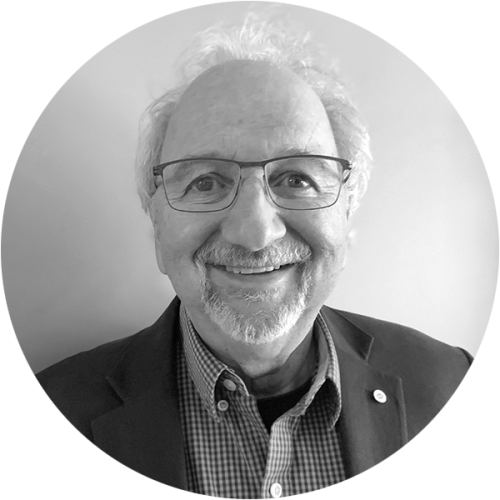
Dr. David Tesini
D.M.D., D.S., Pediatric DentistryDr. David Tesini is the Associate Clinical Professor-Tufts University School of Dental Medicine Boston, MA where he lectures on behavior management and growth and development in the pediatric dentistry department. He is in private Pediatric Dentistry/Orthodontic practice in Natick, MA where, in conjunction with his two partners, the practice has over 10,000 active patients.
Dr. Tesini is the Past President of the Academy of Dentistry for Persons with Disabilities a national organization that advocates and promotes access for comprehensive dental care for special patient care. He is the Past Treasurer of Special Care Dentistry a national organization for hospital dentists, geriatric dentists and dentists who treat special patients. He is the Founder of Project Stretch: Dentistry Reaching Out to Children, a nonprofit organization founded in 1988 to provide free dental care to poor children in this country and abroad. He is an international lecturer in the field of pediatric dentistry, most recently in Pavia, Italy and Glasgow, Scotland.
Dr. Tesini has numerous patents in the field of infant and child health products; the most recent being preemie and infant pacifiers and Tooth prints bite identification wafers for DNA testing and scent dog tracking for lost and missing children. Dr. Tesini has been a member of the LSA Medical & Scientific Advisory board since 2011.

Dr. Philip Zeitler
M.D., PhD, Pediatric EndocrinologyDr. Zeitler is Professor of Pediatrics and Clinical Science and Head of the Section of Pediatric Endocrinology at the University of Colorado. He is also Medical Director of the Children’s Hospital Colorado Clinical Translational Research Center of the Colorado Clinical Translational Science Institute and Chair of the Department of Endocrinology at Children’s Hospital Colorado.
Dr. Zeitler and his colleagues were the first to report the increase in type 2 diabetes in youth in the US in 1996. His research group focuses on understanding the physiologic and psychological aspects of obesity, insulin resistance, and type 2 diabetes in adolescents. Dr. Zeitler has been Chair of TODAY, an NIH-funded, multi-center longitudinal study of clinical outcomes in adolescents with type 2 diabetes since 2003. He is also Co-investigator in the RISE consortium exploring ways to improve β-cell function in adolescents with prediabetes and recent onset type 2 diabetes. Dr. Zeitler is the lead author on the most recent guidelines for the management of type 2 diabetes in youth issued by the International Society of Pediatric and Adolescent Diabetes (ISPAD) and co-Chair of the new ADA statement on type 2 diabetes in youth currently under development.